
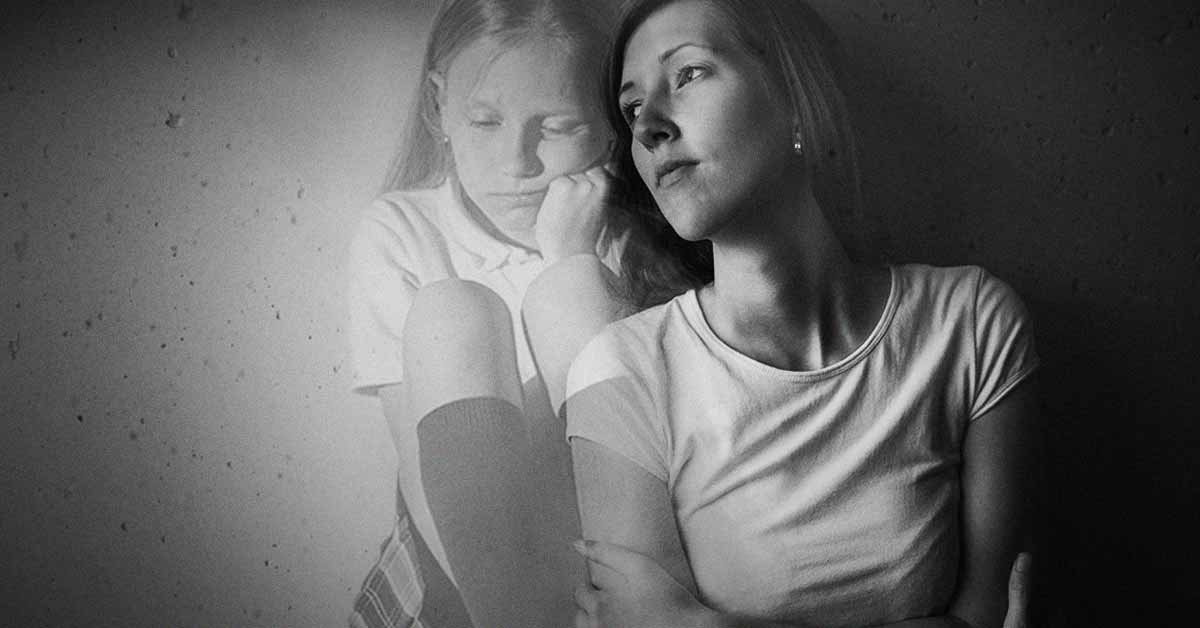
“Never forget the past.” “It’s not even over yet.” – William Faulkner This quote says a lot about trauma in childhood. The wounds we carry from our early years often don’t stay hidden in the past; they show up in our present and change how we see ourselves, how we interact with others, and how we react to the world around us. If we talk about the book Hope for the Hearing: Abandon and Abused, Kate Ryan bravely shows how trauma from childhood can last a long time. Her story isn’t just about what happened to her when she was a kid. It’s also about the long process of healing, getting her identity back, and learning to live with scars that don’t always show but never go away. We’ll talk about how trauma in childhood affects adults and what real healing looks like. It’s not a clean, polished end point; it’s a daily act of self-compassion, courage, and strength.
Understanding trauma in childhood
There are many different kinds of trauma that can happen in childhood:
- Abuse that is sexual, emotional, or physical
- Abandonment or neglect
- Witnessing domestic violence
- Growing up in a place that wasn’t safe or reliable
- Being ignored, insulted, or emotionally controlled
What happened to you isn’t just “bad memories.” They can have a big effect on a child’s growth by changing how their brain works, how they deal with their feelings, and what they believe about the world and themselves. Trauma that isn’t dealt with stays in the mind and nervous system. We live like kids. We change as adults, but it usually costs us something.
How Childhood Trauma Affects Adults
1.Not being able to trust people
Trust is a big part of relationships that are good for you. But when a child learns that caregivers—people who are supposed to love and protect them—can hurt them, trust becomes a risk. People who have been through trauma may expect to be betrayed or left behind in friendships and romantic relationships as adults. They might either keep people away from them or get too close to them because they’re scared of being apart from them.
2. Being a perfectionist or someone who wants to make everyone happy
Many individuals who have experienced trauma hold the belief that they must be “good” to attain love or safety. This can make someone always want to do better, please others, or be too hard on themselves. It’s not about wanting to do well; it’s about staying alive. The adult might still be trying to get the approval they didn’t get as a kid.
3. Issues with managing feelings
Anger outbursts, sudden anxiety, or numbness can all be signs of trauma that hasn’t been dealt with. The adult may struggle with managing their emotions due to a lack of learning how to express or cope with them safely during childhood. They don’t feel safe in their bodies; instead, they always feel like they’re about to have an emotional attack.
4. Constant feelings of shame and low self-worth
A deep feeling of being unworthy may be the most common sign of childhood trauma. People who have gone through something like this often believe they are broken, unlovable, or not good enough in some way. This belief is not based on reality; it is a product of their formative years’ environmental influences.
5. Issues in Relationships
People who have been through trauma may keep getting into unhealthy relationships, like with partners who don’t care about their feelings or with toxic dynamics. They often choose what’s familiar, even if it’s bad for them, because they think they deserve or expect it.
6. Being alone or too independent
A lot of people who have been through trauma become very independent to deal with it. Their armor is “I can do it all myself.” This can lead to great success, but it often hides a deep fear of being weak or needing help from others.
7. Signs in the body
Trauma that hasn’t been dealt with doesn’t just stay in your head. It can make you hurt for a long time, give you autoimmune diseases, make it hard to sleep, or mess up your digestion. The body remembers things that the mind tries to forget.
The Hope: What Healing Could Be Like
The good news is that you can get better. It isn’t easy, quick, or straight. But it’s worth it. Like Kate Ryan’s journey in Hope for the Hurting, healing from trauma doesn’t mean pretending the pain never happened. It’s about learning to carry it in a different way and not letting it run your life. This is what healing can look like in real life:
- Accepting the Truth
Healing begins when we stop downplaying or denying what we went through. The first brave step is to say what happened without feeling bad about it. For many people, this could mean keeping a journal, talking to a therapist, or just letting themselves say, “What happened to me was important.” And it hurt.
- Therapy and Professional Help
Therapists who know how to help people who have been through trauma, like those who do EMDR, somatic therapy, or inner child work, can help survivors slowly work through their past and change the way they feel. Therapy isn’t about making you better; it’s about helping you remember the part of you that has always been worthy of love.
- Taking care of the child inside
Taking care of ourselves is a big part of getting better. People often use the term “reparenting” to describe this. It has:
- Being kind to yourself
- Setting limits
- Taking care of your needs
- Setting up routines that keep you safe and stable
As an adult, you become the caregiver and protector that your child self didn’t have.
- Keeping Relationships Safe
What heals is connection. As we learn to trust more and more, we start to build relationships based on honesty, respect, and emotional safety. Friends, chosen family, and partners can all be great places to heal and see yourself.
- Accepting Spirituality or Purpose
For a lot of people who have been through trauma, healing means finding a deeper meaning or purpose in life that goes beyond the pain. This could happen through faith, service, creativity, or telling stories. In Hope for the Hurting, Kate Ryan talks about how faith and grace helped her get through the pain when logic and reason couldn’t.
- Accepting the Chaotic Middle
Getting better doesn’t mean reaching a state of perfect peace. There will be times when things don’t go as planned, things will remind you of the past, and days when the past seems to come back. You have tools now, which is the difference. You know what. You don’t give up on yourself; you show up for yourself.
Conclusion
Your past is a part of who you are, but it’s not all of who you are.You are not broken if you have ever done things you don’t understand, like ruining relationships, feeling unworthy, or living in fear. You are not thriving; you are responding to a life that asked you to survive. But you can pick something else now. You get to improve. You get to tell a different story. Hope for the Hurting by Kate Ryan reminds us that even the worst things that happen to us can help us grow. Not that pain, but hope is what matters most.
